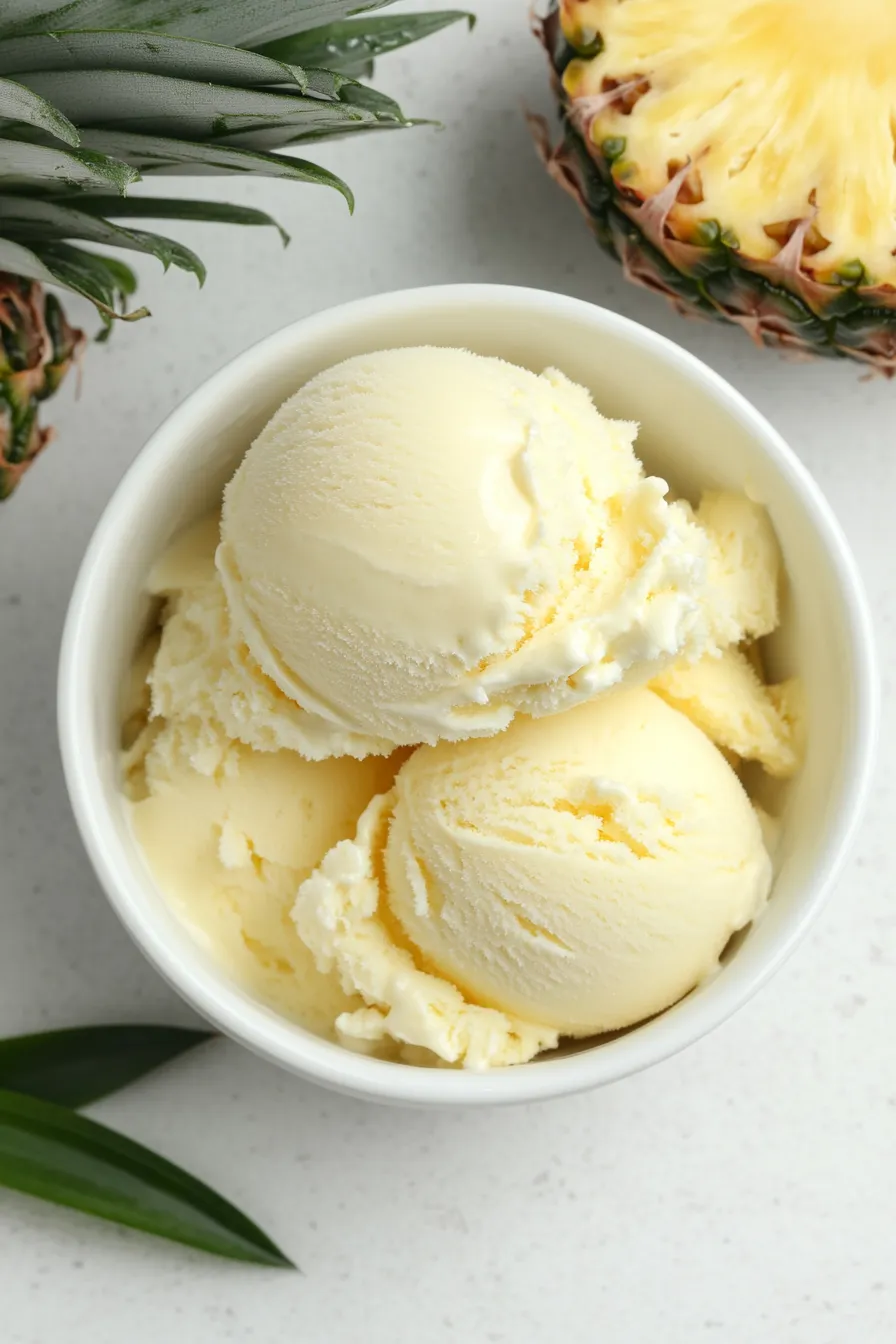
Imagine a scoop of sunshine, bursting with vibrant tropical flavor, perfectly creamy, and utterly refreshing. That’s the promise of homemade pineapple ice cream. Far from being a mere sweet treat, a well-executed pineapple ice cream can transport your senses to a faraway beach, balancing tangy fruit notes with a smooth, indulgent texture. However, crafting this tropical delight isn't without its quirks. A common pitfall can be a surprising bitterness, often due to an overlooked natural enzyme. But fear not, aspiring ice cream artisans! With the right techniques and a few key insights, you can master the art of making pineapple ice cream that's not only free from bitterness but also brimming with the brightest, most authentic tropical taste.
Whether you prefer the rich, silky depth of a traditional custard-based dessert or the instant gratification of a quick, no-churn method, this guide will equip you with the knowledge to create a truly unforgettable frozen treat. We'll dive into the secrets of enhancing tropical essence, ensuring perfect creaminess, and, most importantly, eliminating any hint of bitterness.
The Secret to Silky Smoothness: Mastering the Custard Base
For many ice cream connoisseurs, the gold standard is a custard-style base. This method, while requiring a bit more patience, yields a profoundly rich, silky, and scoopable pineapple ice cream that simply melts in your mouth.
Why a Custard Base?
The magic of a custard base lies in its carefully balanced components, each playing a crucial role:
- Egg Yolks: These are the true emulsifiers and thickeners, creating the luxurious body and smooth mouthfeel that defines premium ice cream. They prevent ice crystal formation and provide that desirable, melt-away texture.
- Dairy Duo: A blend of heavy cream and whole milk is often ideal. Heavy cream contributes incredible richness and silkiness, while whole milk helps to keep the base from feeling overly heavy, striking a perfect balance of indulgence and refreshment. Measure your dairy carefully to ensure a balanced custard.
- Sugar: Beyond just sweetening, sugar is a multi-tasker. It lowers the freezing point of the mixture, which is essential for achieving a softer, more scoopable consistency straight from the freezer.
- Pinch of Salt: A tiny bit of salt might seem counterintuitive in a sweet dessert, but it’s a flavor amplifier, sharpening the overall taste profile and making the fruit notes pop even more.
Taming the Tropical Beast: Neutralizing Bromelain
This is perhaps the most critical step when working with fresh pineapple and dairy. Fresh pineapple contains an enzyme called bromelain, a natural proteolytic enzyme. While beneficial for digestion, bromelain unfortunately reacts with dairy proteins, breaking them down and leading to an unpleasant, bitter, or even curdled taste. This is the primary reason some homemade pineapple ice cream turns out bitter.
The solution is simple yet vital: heat the fruit briefly. By gently cooking the blended fresh pineapple, sugar, egg yolks, and salt mixture to approximately 170°F (77°C), you effectively deactivate the bromelain enzyme. This step is a game-changer, unlocking a clean, sweet, and vibrant pineapple flavor when it finally meets your rich dairy base. Don't skip it! If using canned pineapple, this step is less critical as the canning process typically deactivates bromelain already, though canned pineapple often yields a slightly muted flavor compared to fresh.
The Tempering and Churning Process
Once your pineapple-infused custard reaches the correct temperature and the bromelain is tamed, it's essential to temper the mixture by slowly whisking in the warm dairy, then straining it into a glass bowl. Cover the surface directly with plastic wrap to prevent a skin from forming and chill it thoroughly for at least four hours – ideally overnight. A perfectly chilled base is paramount for optimal churning results.
Churn the cold base in your ice cream maker (whether a KitchenAid attachment or a stand-alone Cuisinart maker works well) for about 20-25 minutes, or until it reaches a soft-serve consistency. This aeration is what gives ice cream its delightful lightness. Transfer to an airtight container and freeze for a minimum of four hours for firm, scoopable results. For a detailed, step-by-step guide on creating this luxurious treat, check out our comprehensive Homemade Custard Pineapple Ice Cream: Silky Smooth Summer Recipe.
Quick & Easy: The No-Churn Pineapple Ice Cream Revolution
Sometimes, the craving for a tropical escape hits, and you don't have the time or equipment for a full custard process. Enter the no-churn pineapple ice cream method – a true game-changer for instant gratification. If you have a blender and a few simple ingredients, you're minutes away from a delightful, creamy treat.
When Speed is Key: The 5-Ingredient Solution
This method brilliantly bypasses the need for an ice cream maker or extended cooking times. The core of this recipe typically revolves around:
- Frozen Pineapple Chunks: These are the star, providing both the intense pineapple flavor and the icy, thick texture without the need for churning. Ensure they are frozen solid for the best results.
- Sweetened Condensed Milk: This ingredient is a no-churn hero. Its high sugar and fat content help create a wonderfully creamy texture and prevent large ice crystals from forming, replicating the role of egg yolks and sugar in traditional recipes.
- A Touch of Acid (Optional but Recommended): A squeeze of fresh lemon or lime juice can brighten the pineapple flavor even further, cutting through the sweetness and adding a refreshing zing.
- Vanilla Extract: A splash enhances the overall flavor profile.
- Heavy Cream (Whipped): Often folded in, whipped heavy cream adds airiness and a truly luxurious, soft texture without churning.
Simply blend the frozen pineapple with the condensed milk and other desired ingredients until smooth and creamy, then fold in whipped cream if using. Freeze for a few hours, and you have a refreshing, tropical dessert that feels like a vacation in a bowl. It’s ridiculously easy, unbelievably refreshing, and a perfect crowd-pleaser. For the full, incredibly simple recipe, dive into our Quick No-Churn Pineapple Ice Cream: 5 Ingredients, Minutes to Bliss.
Elevating Your Pineapple Ice Cream Experience
Beyond the basic recipes, a few strategic choices and additions can truly transform your homemade pineapple ice cream from good to absolutely extraordinary.
Fresh vs. Canned: The Flavor Spectrum
While canned pineapple is undeniably convenient and works perfectly well, especially in no-churn recipes where bromelain is less of a concern due to the processing, fresh pineapple delivers the most vibrant, nuanced, and punchy flavor. When you have the option, selecting a ripe, juicy fresh pineapple will provide a brighter aroma and a more complex tropical profile that truly shines in a custard base.
Tip for selecting fresh pineapple: Look for fruit that feels heavy for its size, has a slightly fragrant smell at its base, and leaves give a slight tug when pulled (but don't come out easily if too ripe). Avoid any with soft spots or mold.
Flavor Boosters & Creative Add-ins
The beauty of homemade ice cream lies in its adaptability. Don't be afraid to experiment!
- Citrus Zest/Juice: A squeeze of fresh lemon or lime juice (especially a microplane zest!) can lift the entire flavor profile, enhancing the pineapple's natural tanginess without overpowering the custard.
- Coconut: For a true piña colada vibe, consider adding a splash of coconut cream to your dairy blend or folding in toasted coconut flakes during the final freezing stage.
- Vanilla Bean: A scraped vanilla bean, rather than extract, will infuse a deeper, more sophisticated aromatic note.
- Spices: A tiny pinch of ground ginger or a hint of cardamom can add an unexpected, warming depth that complements the tropical fruit beautifully.
- Alcohol: A tablespoon of rum or pineapple liqueur can add complexity and, like sugar, can slightly lower the freezing point, contributing to a softer texture.
- Textures: Consider folding in finely chopped macadamia nuts, candied ginger pieces, or even mini marshmallow bits for textural contrast.
Storage and Scoopability
Proper storage is key to maintaining the creamy texture and preventing ice crystals. Always store your homemade pineapple ice cream in an airtight container, pressing a layer of plastic wrap directly onto the surface of the ice cream before sealing the lid. This creates a barrier against freezer burn and ice formation.
To ensure perfect scoopability, allow your ice cream to sit at room temperature for 5-10 minutes before serving. The sugar in the recipe helps prevent it from freezing rock-solid, but a brief rest will bring it to its ideal creamy consistency.
Troubleshooting Common Pineapple Ice Cream Issues
Even with the best intentions, things can sometimes go awry. Here’s how to troubleshoot common issues:
Why is my pineapple ice cream bitter?
This is almost always due to the bromelain enzyme in fresh pineapple. If you used fresh pineapple and didn't heat the fruit mixture sufficiently to 170°F (77°C), the enzyme will react with the dairy, causing bitterness. Ensure this crucial heating step is not overlooked when using fresh pineapple in a custard base.
Why is it icy or not creamy enough?
Several factors can lead to an icy texture:
- Insufficient Fat: Ensure you're using the correct ratio of heavy cream and whole milk (or sweetened condensed milk in no-churn versions). Fat contributes significantly to creaminess.
- Too Much Water: Watery fruit or not adequately straining your custard can introduce excess water, leading to ice crystals.
- Not Enough Sugar: Sugar is vital for lowering the freezing point. If the sugar content is too low, the ice cream will freeze harder and be icier.
- Improper Churning/Freezing: Ensure your base is thoroughly chilled before churning. If churning time is too short, not enough air is incorporated, leading to a denser, icier product. For no-churn, ensure frozen pineapple is solid and blended well.
Why is my ice cream too hard to scoop?
If your ice cream is rock-hard, it’s often an indication that the freezing point is too high. This usually comes down to insufficient sugar. While you don't want an overly sweet ice cream, sugar plays a vital functional role. Ensure you're measuring your sugar accurately. Allowing the ice cream to soften at room temperature for 5-10 minutes before scooping will also help, regardless of the sugar content.
Mastering homemade pineapple ice cream is a rewarding culinary journey that promises a taste of the tropics whenever you desire. By understanding the critical role of deactivating bromelain for a bitter-free experience, carefully balancing your custard ingredients for ultimate creaminess, or embracing the speed of a no-churn blender method, you can achieve remarkable results. Experiment with fresh pineapple for its vibrant punch or opt for the convenience of canned, always remembering the simple tweaks that elevate flavor. Whether served alongside a summer grilling menu, a picnic spread, or simply with a few butter cookies, your homemade pineapple ice cream is sure to be a refreshing, indulgent, and truly delicious triumph. So go ahead, scoop yourself a little slice of paradise!
